


SIT students explore healthcare and community in the Indian Himalayas
October 30th, 2026 | Asia, SIT Study Abroad
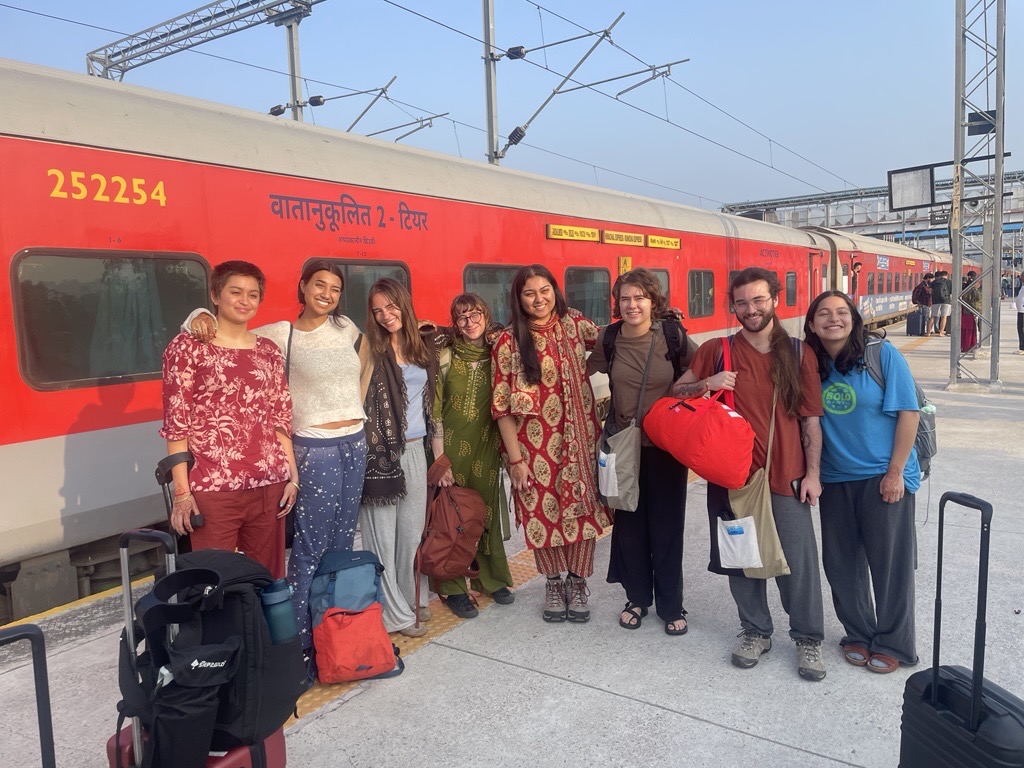
For students on SIT Study Abroad's India: Public Health, Gender, and Sexuality program, a week-long excursion to the foothills of the Himalayas offered an opportunity to explore healthcare systems, engage with community organizations, and learn about the experiences of Tibetan refugees living in northern India. Traveling overnight by train from Delhi, students made their way to McLeod Ganj, a mountain town in Himachal Pradesh, known for its vibrant Tibetan community and as the home of His Holiness the 14th Dalai Lama.
Experiencing Tibetan culture and community life
Upon arriving in McLeod Ganj, students were welcomed into the homes of Tibetan families, where they stayed throughout the excursion. McLeod Ganj has served as an important center of Tibetan life in exile since the Dalai Lama established his residence in the region in 1960. Living with local families gave students an opportunity to experience everyday life in the community and learn about Tibetan traditions, identity, and refugee experiences.
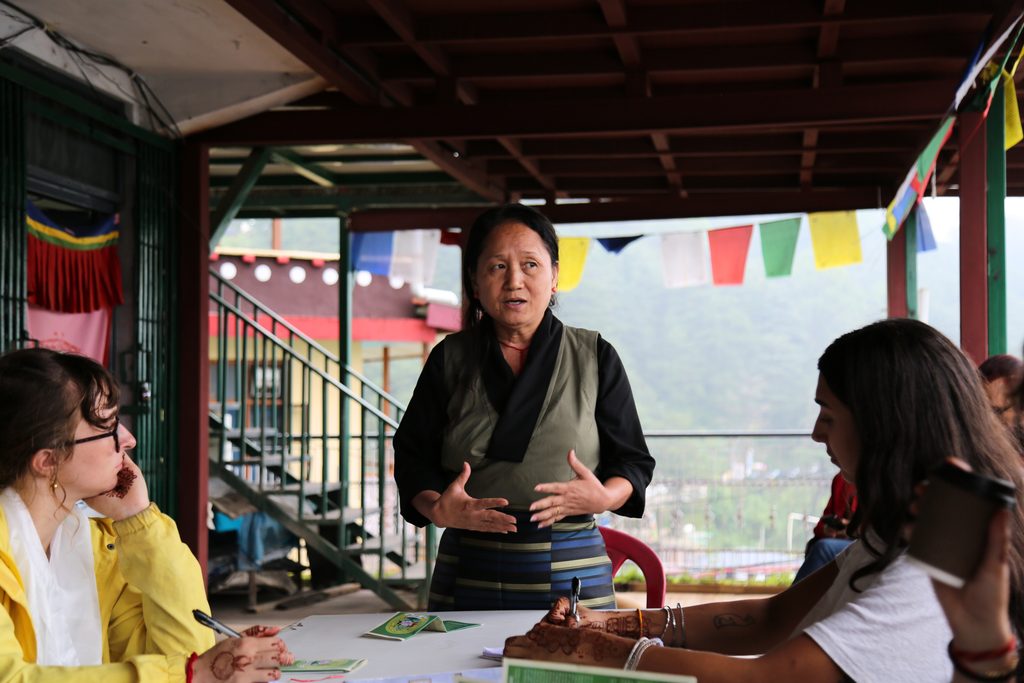
Students also visited the Tibetan Women's Association, an organization dedicated to advancing the rights and well-being of Tibetan women while preserving their cultural identity. Through conversations with representatives, students learned about the organization's work and the role of women in strengthening Tibetan communities in exile.
Understanding rural healthcare in India
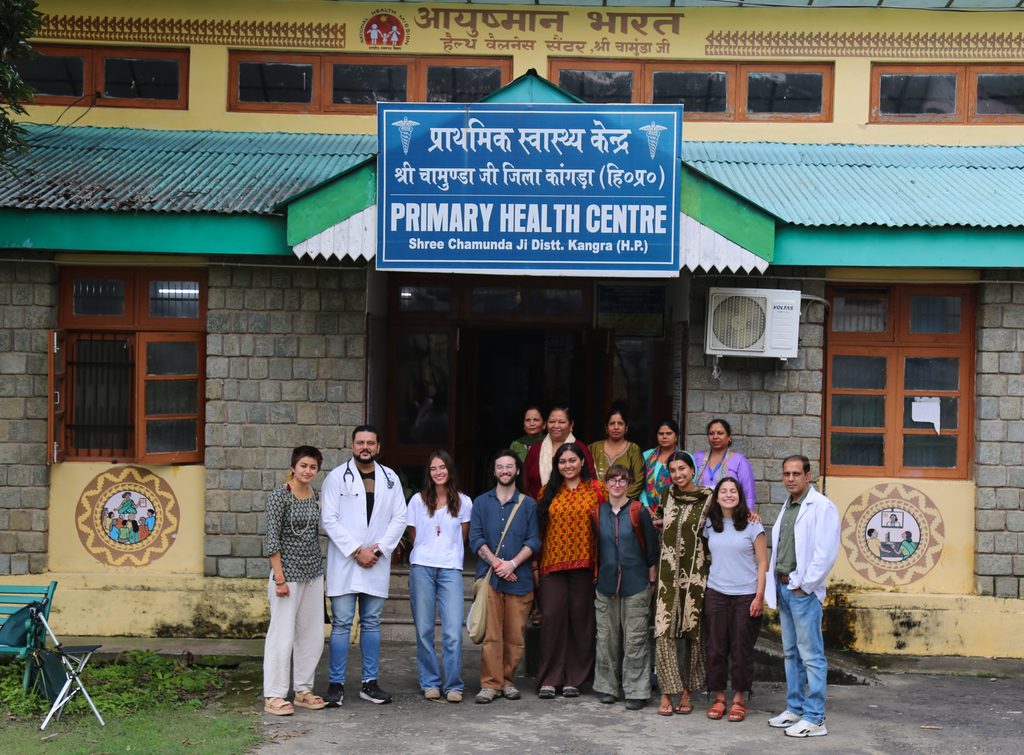
A central focus of the excursion was examining how healthcare reaches communities outside India's major cities. Students traveled through the Kangra district to visit rural healthcare facilities, including the Shree Chamunda Ji Primary Health Centre, where they learned about essential medical services provided at the community level.
They met with nurses who play an important role in delivering reproductive healthcare and family planning services to rural populations. These nurses regularly travel into surrounding communities to provide care and education, while also seeing patients at a small local health facility. A visit to a larger hospital allowed students to compare healthcare delivery across different levels of the system and consider how geography, infrastructure, and community needs shape access to care.
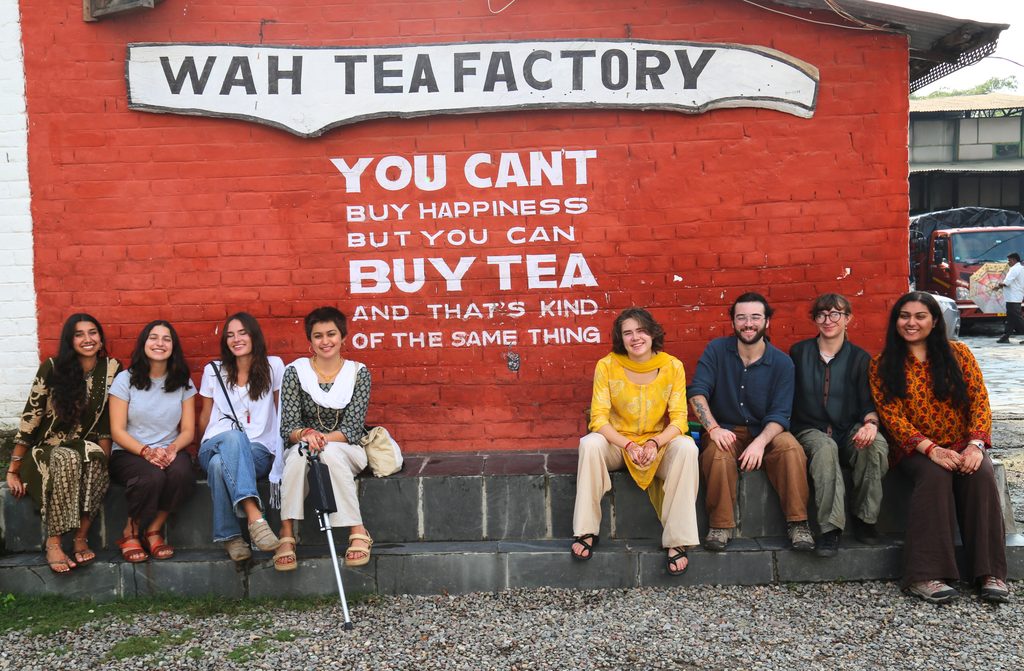
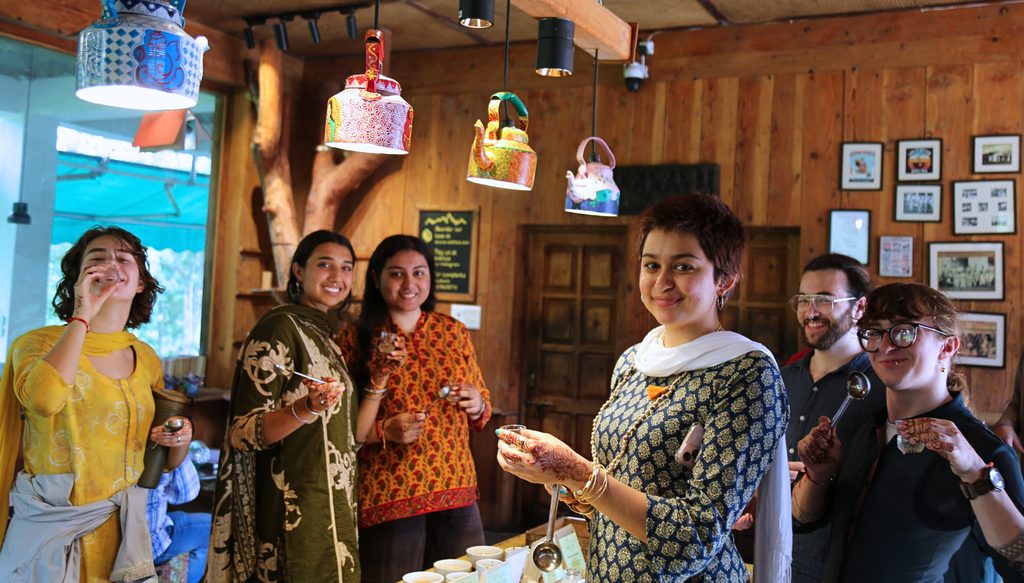
The group also visited Wah Tea Estate in the Kangra Valley, gaining another perspective on the region's landscape, agricultural traditions, and local economy.
Exploring healthcare and women's rights
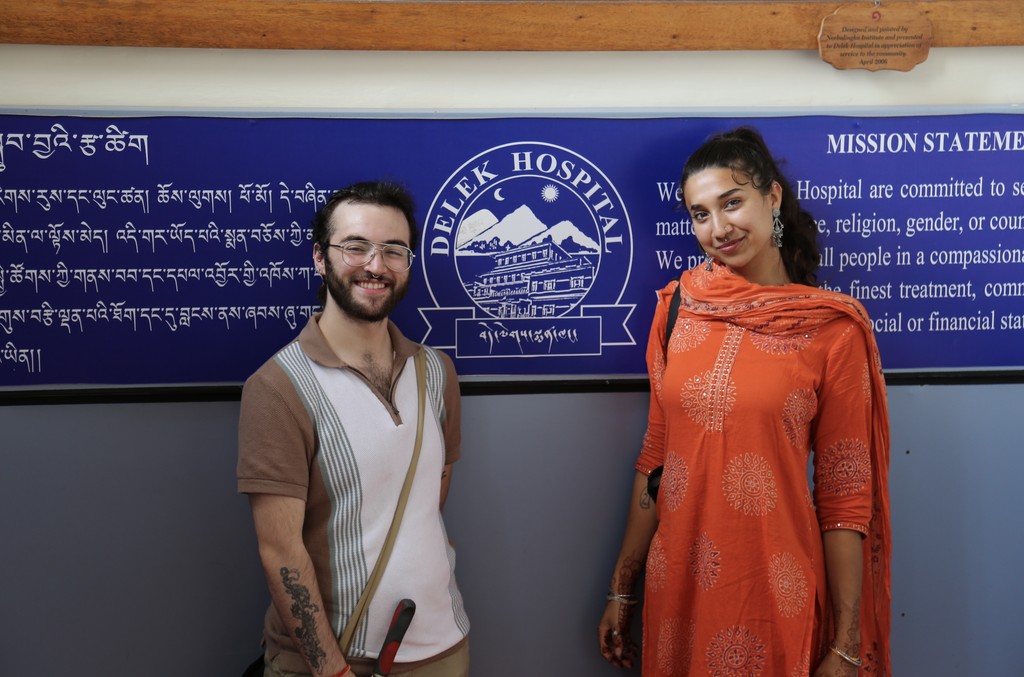
Back in McLeod Ganj, students went to Delek Hospital, a healthcare institution established to serve the Tibetan community in exile and residents of the surrounding region.
Students also met with Jagori Rural Charitable Trust, an organization working with women and girls in rural Himachal Pradesh to advance gender equality and social justice. Through discussions with Jagori, students explored challenges affecting women in rural communities and learned about local approaches to addressing gender inequality.
An unforgettable meeting with His Holiness the Dalai Lama
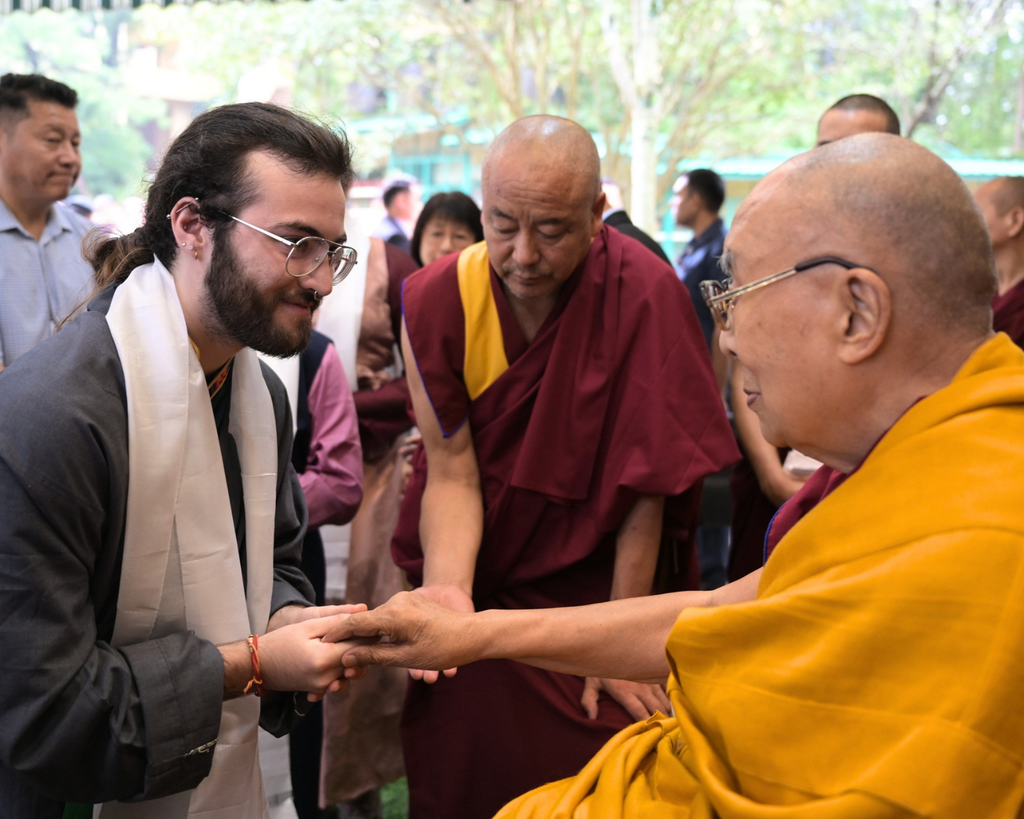
One of the most memorable moments of the excursion came when students had the rare but extraordinary opportunity to meet His Holiness the 14th Dalai Lama and receive his blessing. As the spiritual leader of Tibetan Buddhism and a globally recognized advocate for compassion and nonviolence, the Dalai Lama holds a central place in the cultural and spiritual life of McLeod Ganj.
Connecting field experiences with academic learning
Throughout the excursion, SIT program staff accompanied students, coordinated travel and homestay arrangements, provided translation assistance during conversations with healthcare professionals, and facilitated discussions and reflection. By engaging directly with healthcare professionals, local organizations, and Tibetan host families, students gained perspectives on the complex factors shaping health and well-being in northern India, reflecting SIT's approach to connecting academic study with learning beyond the classroom.
Learn more about SIT's India: Public Health, Gender, and Sexuality program. It will change to India: Public Health in fall 2027.