


How a journey through the Himalayas with SIT shaped a humanitarian career
October 19th, 2026 | Alumni, Asia, Careers, SIT Graduate Institute, SIT Study Abroad
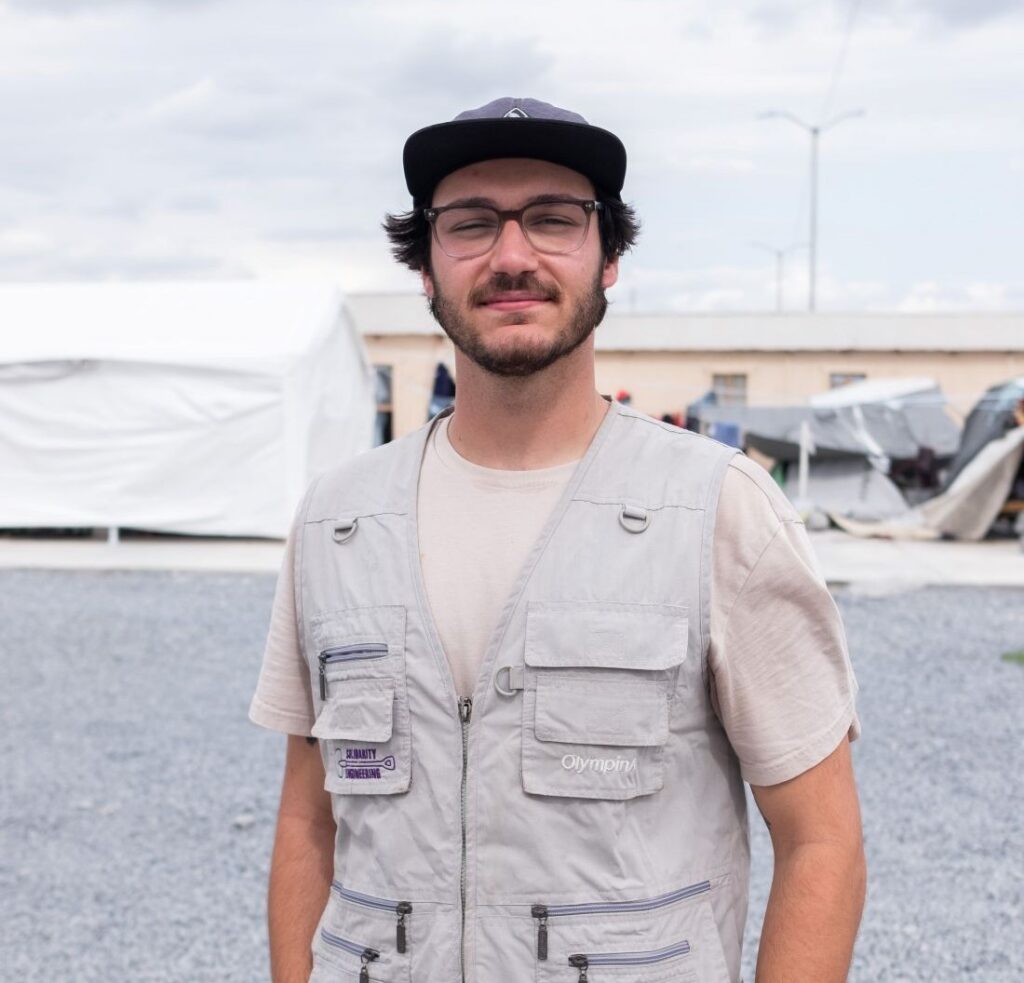
From interviewing yak herders in Nepal to meeting humanitarian aid workers around the world, Jona Block has shaped an interesting career—in no small way due to his time with SIT.
Block is an alumnus of SIT’s Tibetan & Himalayan Peoples study abroad program (now Himalayan and Buddhist Peoples) and went on to earn his master’s in humanitarian assistance and crisis management with SIT. As part of his practicum for the graduate program, he worked with Solidarity Engineering, which provides public health services, essential supplies, and education to displaced and vulnerable communities along the U.S.-Mexico border. He stayed connected with the organization, serving as a volunteer and eventually becoming a full-time staff member in 2025.
He currently works as a program manager and supports displaced communities across multiple regions, as Solidarity Engineering has expanded to provide services in Ukraine, Jordan, and other international areas experiencing displacement. In his role, he helps oversee volunteer management, grant writing, media management, and project implementation.
“Both SIT programs were instrumental in getting me to where I am today,” Block says.
We asked Block about his current role and how his time with SIT as both an undergraduate and graduate student influenced his career path and commitment to humanitarian action today.
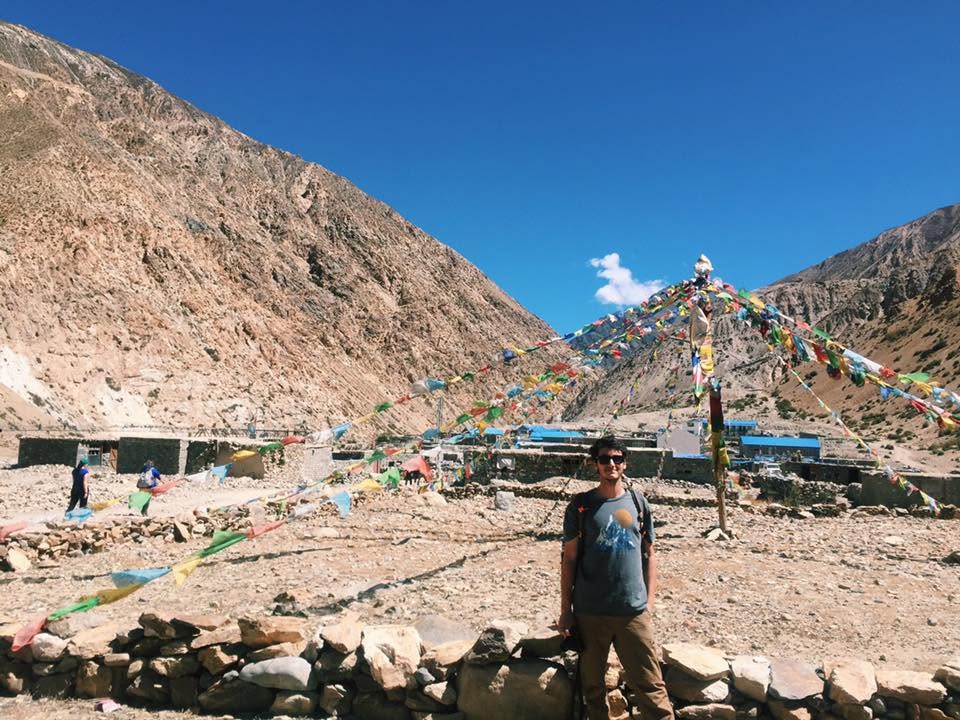
What drew you to the Tibetan & Himalayan Peoples study abroad program specifically?
At the time, I was very interested in Tibetan Buddhism. Once I learned about SIT’s Tibetan & Himalayan Peoples program, I jumped at the opportunity to immerse myself in a culture and teachings that I had appreciated from a distance.
What surprised you most about studying in Nepal?
I really appreciated the teaching style. It was a departure from my normal university studies as it was far more participatory, field-based, and contemplative. For example, instead of sitting in a classroom, we would go out into the community to interview people in Kathmandu. When I was working on a project about yak herding in the Himalayas, I sat down directly with yak herders in multiple villages to learn about their experiences.
What made you choose SIT again for your master’s degree?
After my time in Nepal, I fully realized how immersing yourself in your topic of study deepens your understanding. I had very little interest in studying humanitarian work from a textbook alone. When choosing a master's degree, one of my requirements was that the program have a field component.
How did the Global Master's in Humanitarian Assistance & Crisis Management program balance academic learning with practical, real-world experience?
Every week, we visited organizations from grassroots to the international level. The program did a fantastic job of showcasing the whole humanitarian aid world directly from those working in the field. This, complemented by field visits, provided a well-rounded education on humanitarianism.
How have your SIT study abroad and global master’s experiences influenced what you do professionally today?
My SIT experiences pushed me towards working in multicultural spaces that address international issues. SIT opened my eyes to ways I could apply this unique, global education in a local context. My first job after receiving my master's was supporting refugees in Philadelphia finding employment. I wrote my thesis on the difficulties of refugees in Serbia tapping into the job market, so this job was a perfect real-world application of my research. I am now working with the organization with which I completed my practicum placement, Solidarity Engineering. We provide humanitarian assistance to displaced and vulnerable populations in Mexico, Jordan, and Ukraine.
What is one experience from your time with SIT that you still carry with you today?
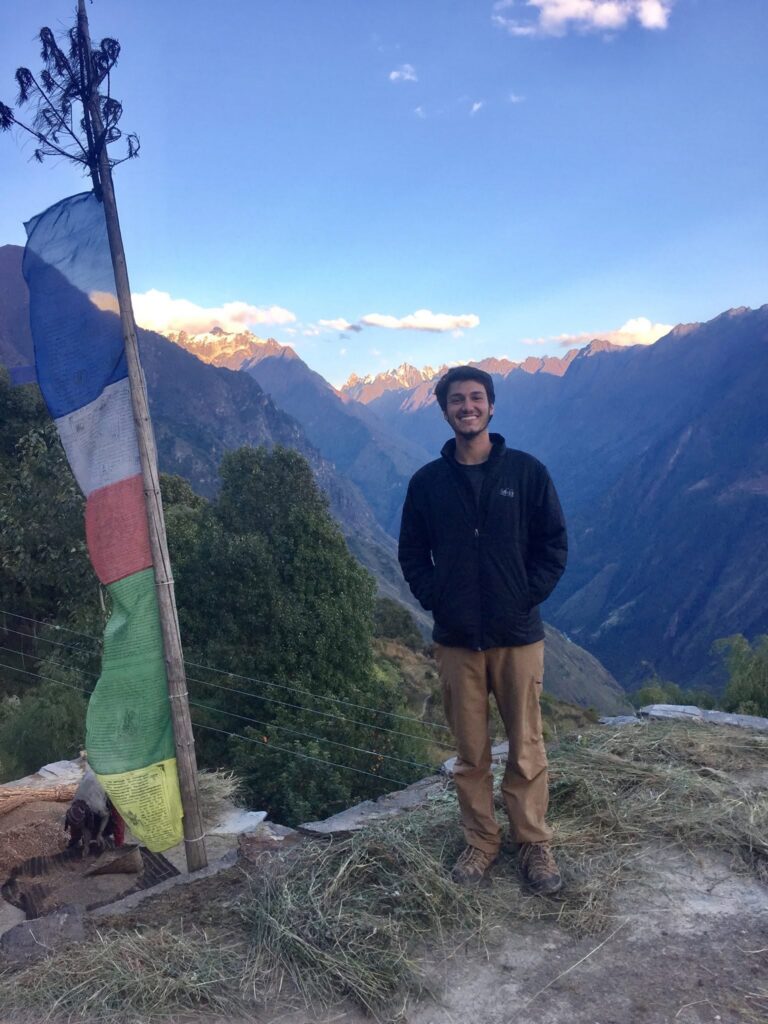
One of my favorite memories is traveling through the Himalayan mountain passes with my undergraduate cohort, all singing Have You Ever Seen the Rain? by Creedence Clearwater Revival.
Learn more about SIT Study Abroad and SIT Graduate Institute programs.