



From rooftops to the Medina: A day in the life of an SIT global master’s student
May 1st, 2026 | Africa, SIT Graduate Institute
By Joanna Tanger
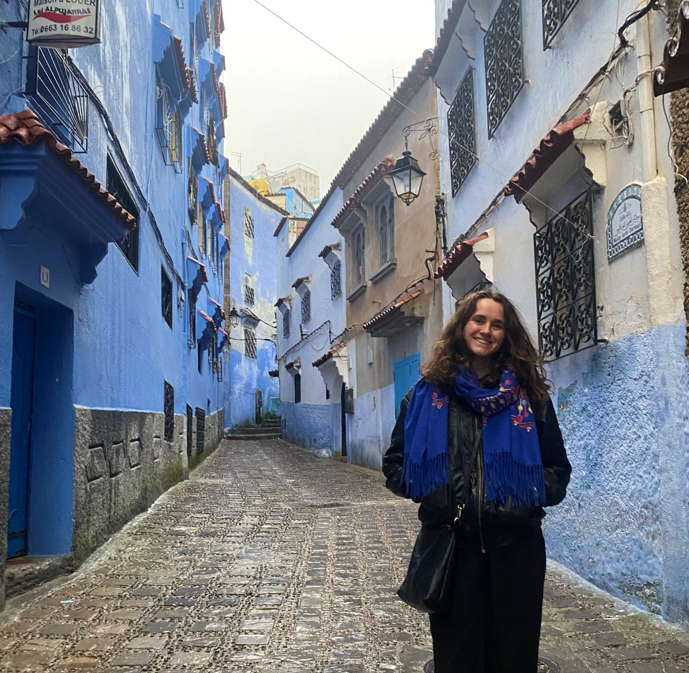
For Claire Schnefke, a graduate student in SIT’s Global Master’s in Humanitarian Assistance and Crisis Management program, each day in Rabat, Morocco, offers a dynamic balance of academic rigor, field-based learning, and cultural engagement.
The Global Master’s in Humanitarian Assistance and Crisis Management is designed to prepare students for a career in the field through hands-on experiences, fieldwork, and experiential learning across at least three continents.
Students begin in Jordan, where they meet with refugees, NGOs, and aid professionals, and analyze the political and ethical aspects of humanitarian intervention. A field study in Turkey provides comparative insight into large-scale refugee responses and policy frameworks, while the Morocco component emphasizes disaster management, protection of vulnerable populations, and multi-stakeholder coordination. The program culminates in a 12-week field practicum and a capstone project, enabling students to synthesize their academic learning with professional practice.
Schnefke started the program in fall 2025. We caught up with her to hear about her time in Morocco during Ramadan. Here’s what a day in her life looked like.
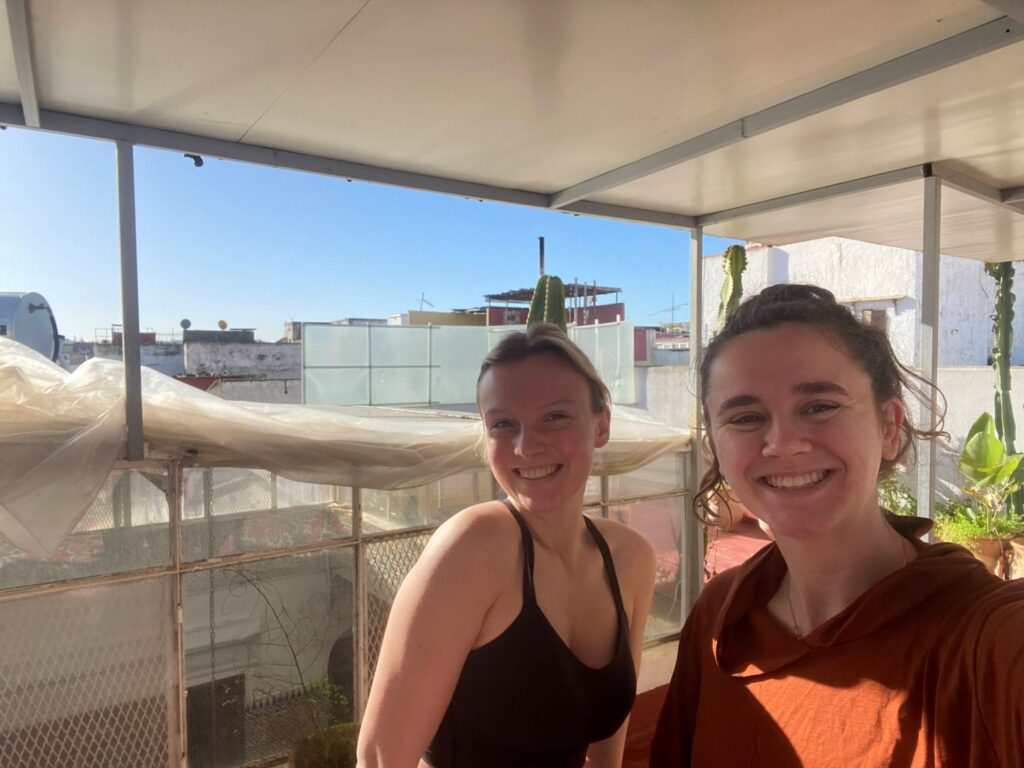
9 a.m.
As I write this, the country is observing Ramadan, a major holiday in Islam. Because of this, we have consolidated schedules to keep class times in the center of the day to better accommodate the needs of those currently fasting. The whole country is on Ramadan hours, including grocery stores, the NGO where I volunteer, and the many shops around town. So, classes on Thursdays do not start until 11 a.m. and we end by 5 p.m. Taking advantage of this extra time, one of my roommates, Kanyen, and I work out on the roof.
10:30 a.m.
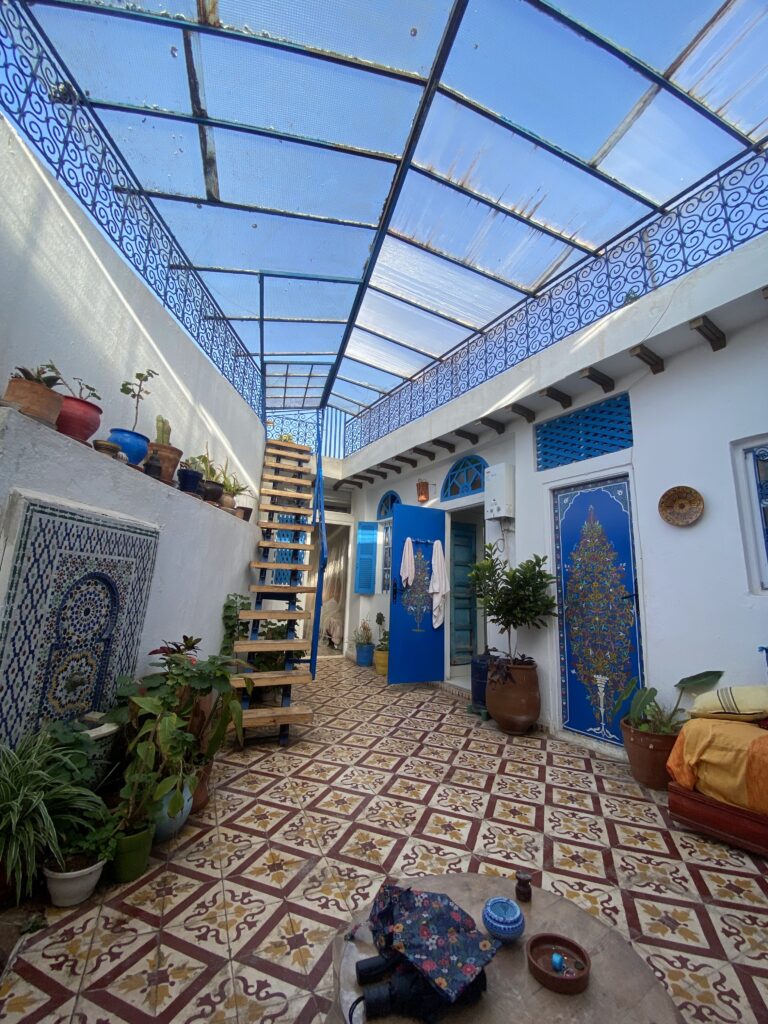
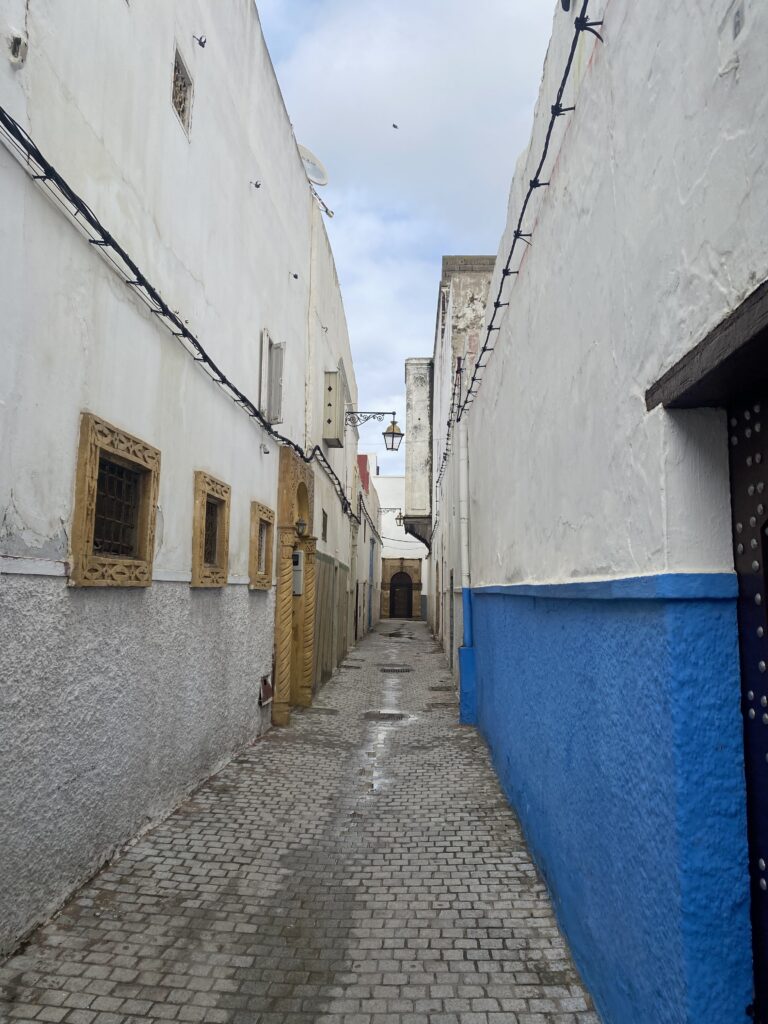
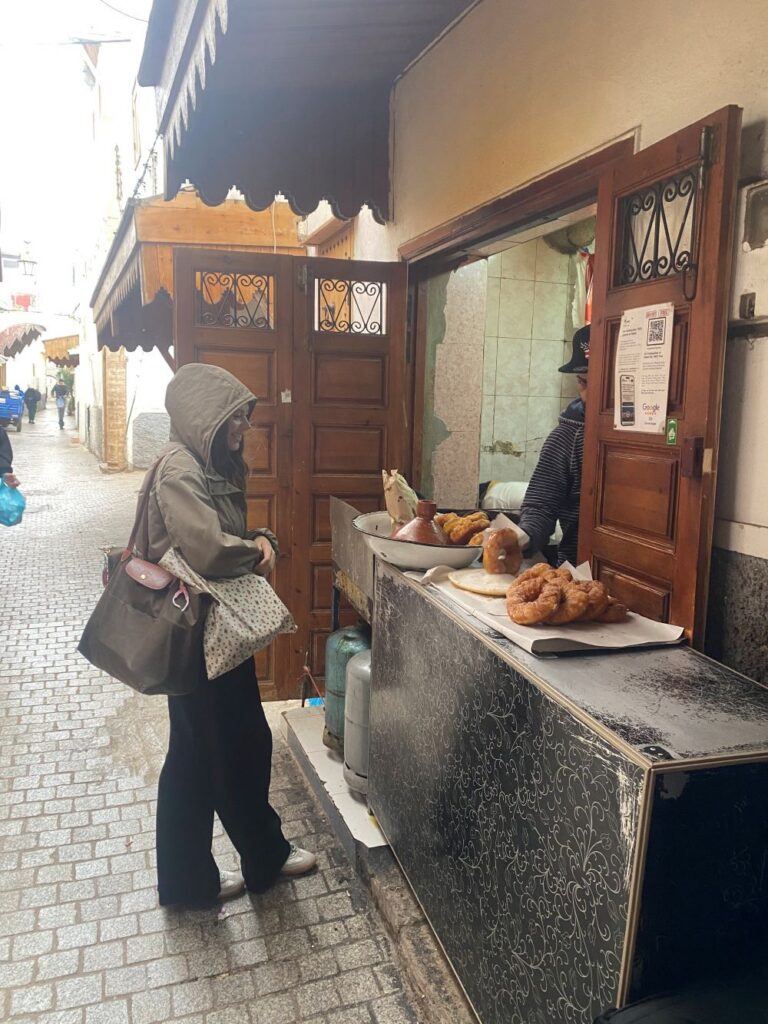
After finishing my workout, I shower, change, and head to class. We live in the heart of the old Medina in a traditional Moroccan riad, which is a house that has a central courtyard. It is beautiful, and has detailed tiles, hand-painted doors, and an all-glass roof. As we walk to class, we pass small shops as we weave though the car-free, ancient streets of the Medina.
11 a.m.
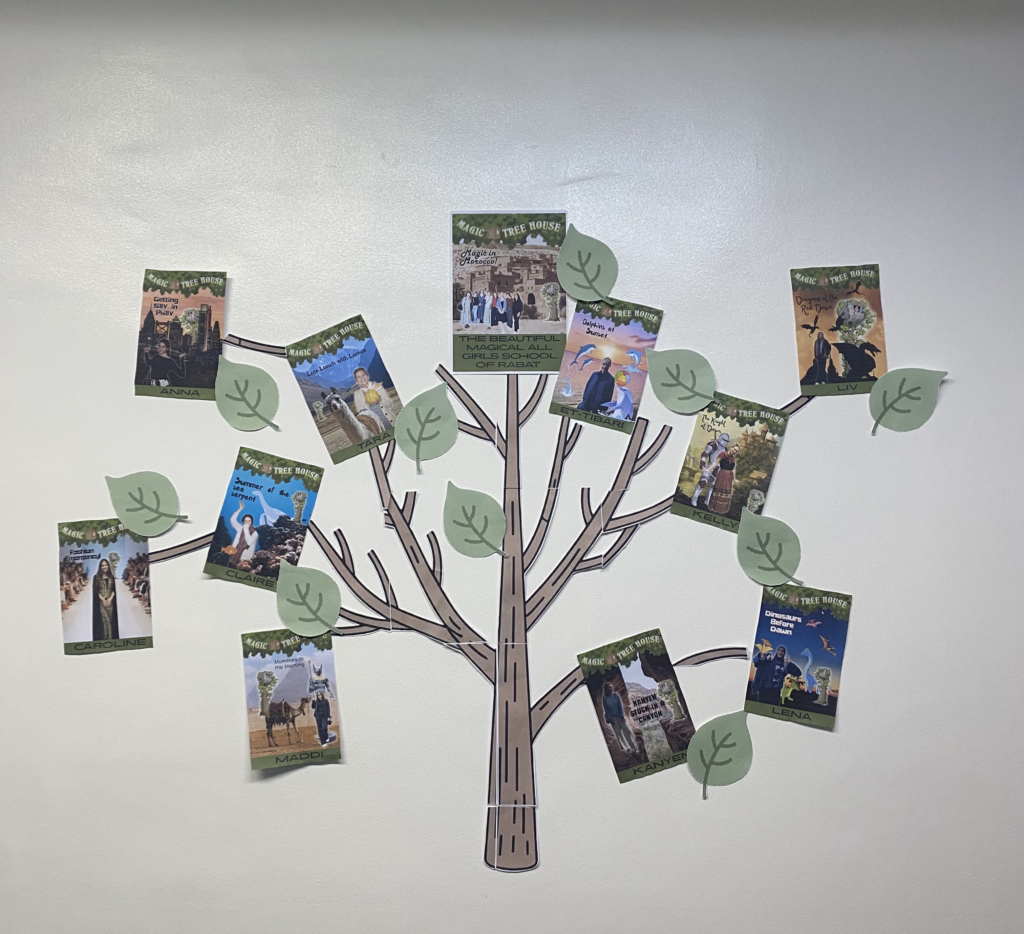
We attend classes in a language learning center right downtown. We have decorated it a bit to make it home. The first class of the day is International Humanitarian and Refugee Law. Today, we are presenting our essay topics and engaging in lively class discussions.
1 p.m.
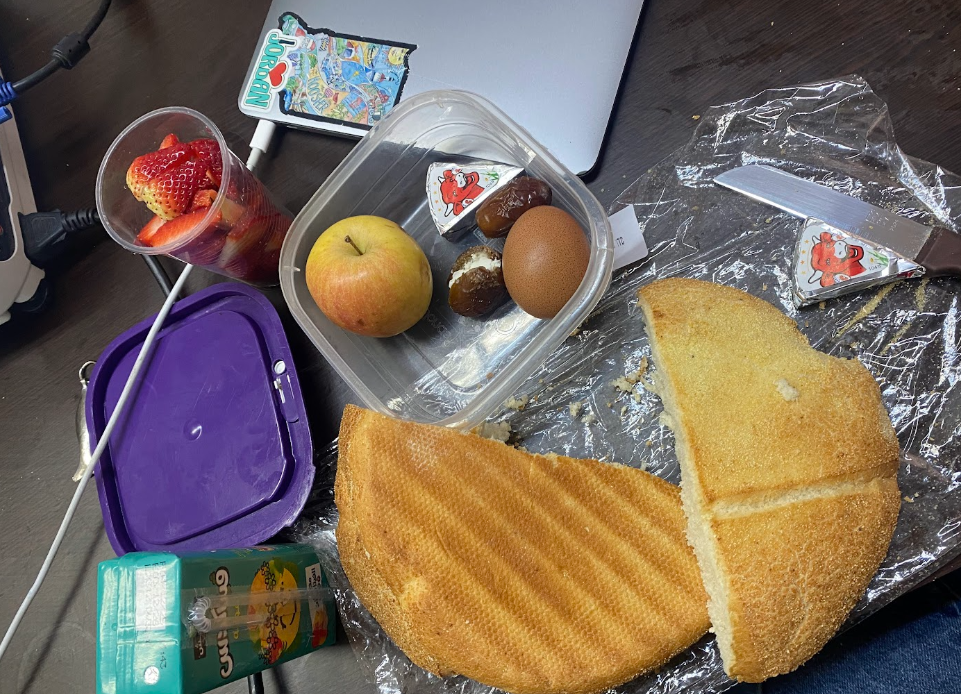
We break for lunch. I always pack my lunch, and today I picked up some fresh bread and strawberries on my walk to class.
2:30 p.m.
The next class is Crisis Leadership and Management. We have a short break and then our Monitoring and Evaluation class. One thing I love about the SIT program is the quality of our professors. Each of them has extensive experience in their respective fields.
7:30 p.m.
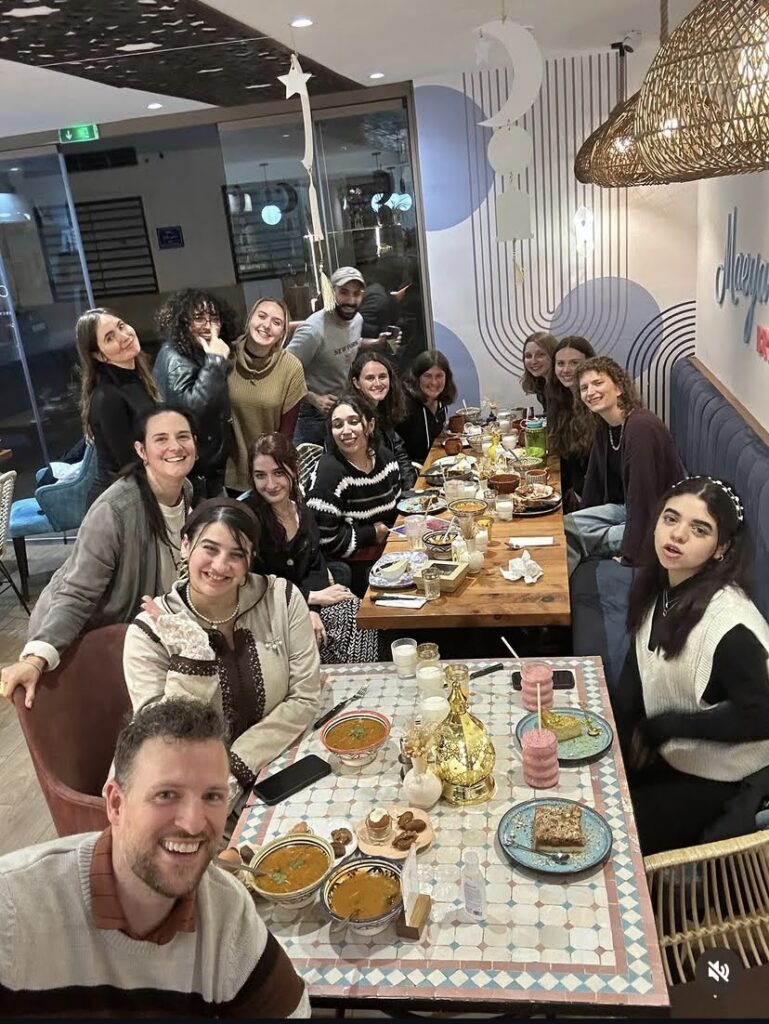
After school, we head to an iftar—the sunset meal that breaks the daily fast during Ramadan—with the Rabat Swing Dance Club. We have not been fasting, but it was exciting to participate in the holiday festivities.
We have been attending the weekly sessions at the American Language Center, where we have made friends with locals and expats living in Rabat. For Ramadan, they are hosting an iftar, so we join and then head to swing dance lessons afterward.
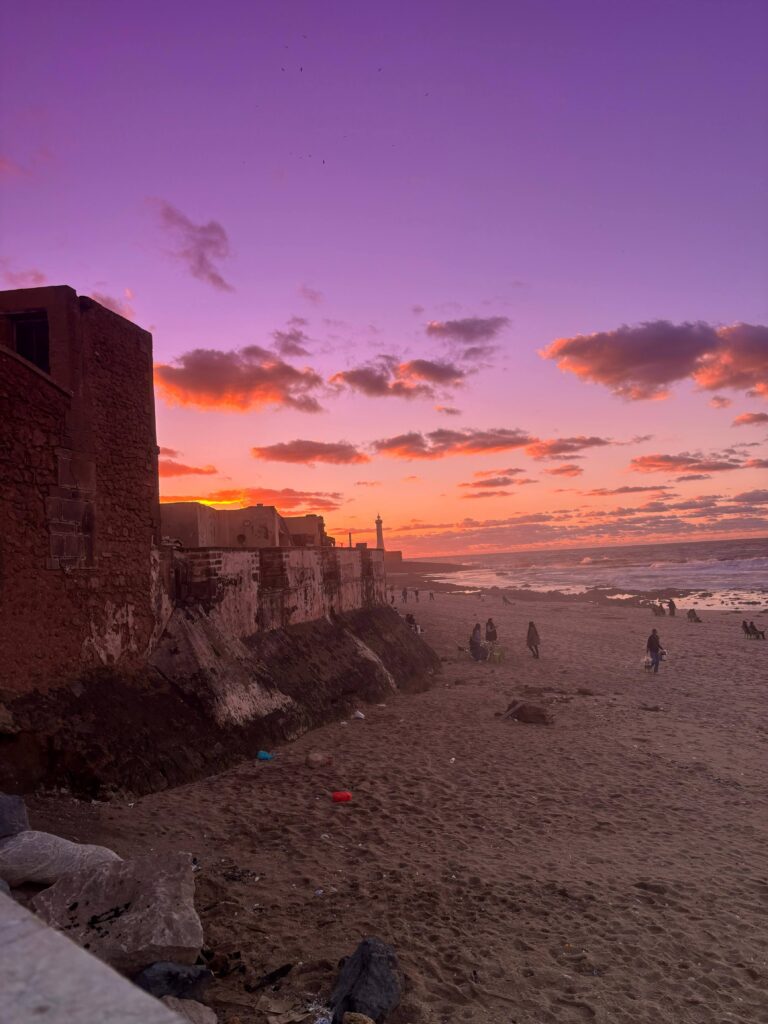
On other days, we often head out for seaside runs or work at our favorite cafe on the beach. We take advantage of our weekends to travel, volunteer, and see all Morocco has to offer. Our all-female, eight-person cohort also has the tendency to throw elaborate parties, such a bachelorette trip to Madrid.
10 p.m.
At the end of the night, we all walked back home. The streets are safe and lively after a long day of fasting, and everyone seems to be out. I do a bit of homework and head to bed.
Learn more about SIT Graduate Institute programs.